
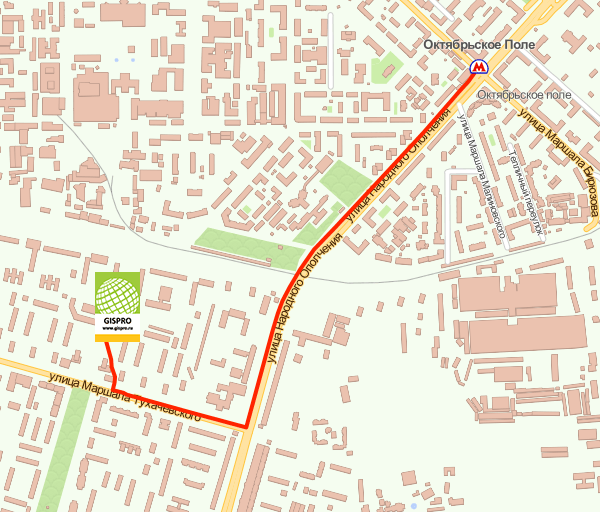
Москва, Игарский проезд, д. 2, офис 314
схема проезда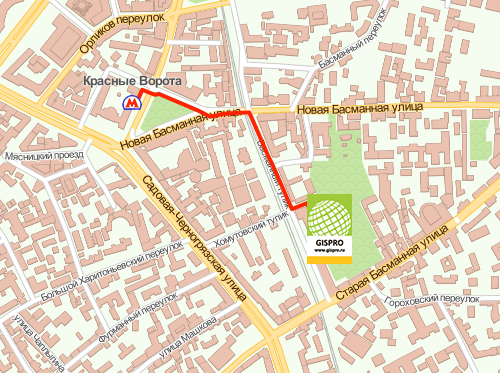
тел. (495) 639-80-82
ИНН: 7703741816
КПП: 771601001
The Japanese entertainment industry is a unique ecosystem where centuries-old traditions coexist with cutting-edge technology. From the neon-lit streets of Akihabara to the quiet intensity of a Noh theater, Japan’s cultural exports have transformed the country into a global "soft power" superpower. The Foundation: Harmony Between Old and New
This paper examines the intricate relationship between the Japanese entertainment industry and the broader tapestry of Japanese culture. By analyzing key sectors—including anime, manga, video games, and J-Pop idol culture—this study explores how domestic cultural values such as wa (harmony), kawaii (cuteness), and shokunin (craftsmanship) shape entertainment production. Furthermore, the paper discusses the global proliferation of Japanese media, termed "Cool Japan," and how the industry functions as a vehicle for soft power while navigating the challenges of a modern, globalized market.
Animators live on $200 paychecks for 40 hour weeks that balloon to 80 during production crunches. Idols face "no dating" clauses; violating them risks public shaming ( The Scarlet Letter of the internet) and financial penalty. In 2019, the anti-harassment movement (#MeToo) finally reached Japan, but cases like the suicide of Terrace House star Hana Kimura (due to cyberbullying) exposed the brutal psychological toll of reality TV.
Москва, Игарский проезд, д. 2, офис 314
схема проездател. (495) 639-80-82
ИНН: 7703741816
КПП: 771601001