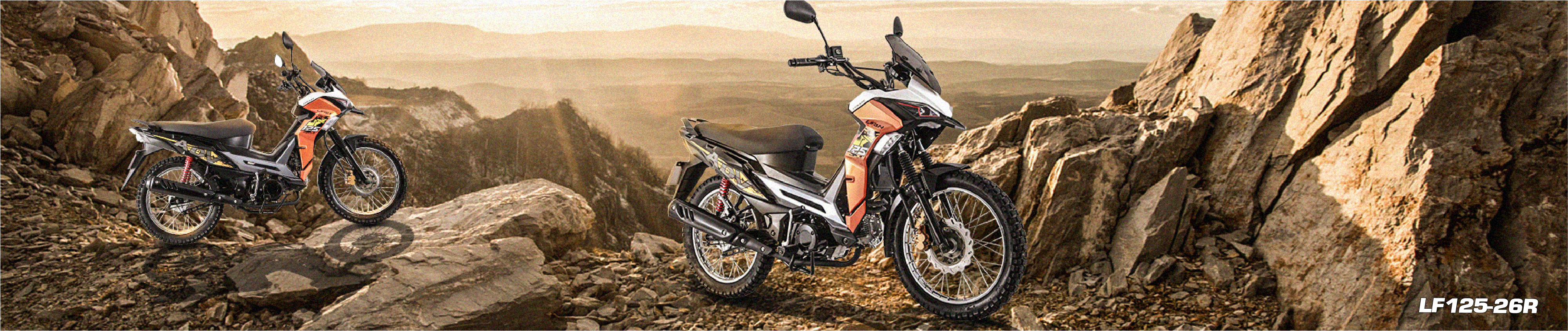
PRODUCT
A typical Indian household awakens early. In many Hindu families, the day begins before sunrise with the lighting of the diya (lamp) at the family altar. The sound of a pressure cooker whistling (for rice or lentils) mingles with the ringing of temple bells.
Meet the Sharmas of Jaipur. In a modest 1,200 sq. ft apartment live Raj (68), his wife Sarla (65), their son Vikram (38), daughter-in-law Priya (35), and two grandchildren (7 and 4). The morning begins with a territorial negotiation. Raj has dibs on the balcony for his newspaper and chai until 7 AM. Sarla controls the kitchen until 8 AM. Priya uses the master bedroom to get the kids ready for school. The friction is real—Sarla thinks Priya wakes up too late; Priya thinks Sarla runs the kitchen like a dictatorship. But when Vikram lost his job last year, no one asked for rent. When the kids are sick, grandparents are the primary nurses. This compromise is the Indian lifestyle. gujarati sexy bhabhi photojpg new
The phrase "Gujarati sexy bhabhi" is a popular search term that reflects a specific cultural archetype in regional Indian entertainment and digital media. Often centered around the "neighborhood sister-in-law" figure, this trope has evolved significantly from traditional folk stories into a modern digital phenomenon. The Cultural Context The Vibrant Tapestry of Indian Family Lifestyle and
In India, the joint family system is still prevalent, where multiple generations live together under one roof. This system fosters a sense of unity, respect, and interdependence among family members. The elderly members play a significant role in passing down traditions, values, and cultural heritage to the younger generation. For instance, in a typical Indian joint family, the grandmother (Dadi or Ba) is often the keeper of family traditions, recipes, and stories, which she shares with the younger members. Story 1: The Three-Bedroom Harmony Meet the Sharmas
The day begins with the sound of a pressure cooker whistling and the faint smell of incense ( agarbatti ). Many households start with a brief prayer or lighting a lamp ( diyas ).
While urbanization is slowly nudging urban centers toward nuclear setups (parents and children), the ideology of the joint family remains pervasive. In cities like Mumbai, Delhi, or Bengaluru, a "nuclear" family often lives in an apartment two floors above the grandparents. The term "separate family" rarely means separate ; it means adjacent .
Technology has redefined the Indian diaspora. The physical distance is vast, but the digital proximity is suffocatingly close.


|
SPECIFICATIONS
|
|
|
Motorcycle Model
|
LF100-A/LF110-7A
|
|
Dimension (L×W×H mm)
|
1900×715×1050
|
|
Wheelbase (mm)
|
1210
|
|
Net Weight (kg)
|
90
|
|
Seat Height (mm)
|
785
|
|
Fuel Tank Capacity (L)
|
3.5
|
|
Engine Type
|
single-cylinder, air-cooled, four-stroke
|
|
Bore×Stroke (mm)
|
50×49.5/52.4×49.5
|
|
Displacement (mL)
|
97/107
|
|
Compression Ratio
|
8.6:1/9.0:1
|
|
Max. Power (kW@rpm)
|
5.0@7500/5.2@7500
|
|
Max. Torque (N.m@rpm)
|
6.5@5000/6.9@5000
|
|
Start
|
electric/kick start
|
|
Transmission
|
4 gears, auto-clutched
|
|
Brake (front/rear)
|
drum or disc/drum
|
|
Wheel
|
Al-alloy or spoke
|
|
Tire (front/rear)
|
2.50-17/2.75-17
|
|
Max. Speed (km/h)
|
80/85
|
|
Economical Fuel Consumption (L/100km)
|
≤1.5/1.6
|


LINKS:
Crimson Amber Vault © 2026
ENJOY LIFAN ENJOY LIFE
)
)
