
Bs En 7721 Pdf
BS EN 772-1:2011+A1:2015
The primary standard for determining the structural capacity of masonry products in the UK and Europe is . This document, titled Methods of test for masonry units. Determination of compressive strength , establishes the harmonized criteria used by engineers, manufacturers, and testing laboratories to calculate the load-bearing capacity of bricks and blocks.
- Visit
shop.bsigroup.com - Type the exact standard number into the search bar.
- Choose the format: PDF (instant download) or hard copy.
- Pay using a credit card or purchase order (approx £150–£300 depending on the standard).
- Download your watermarked, official PDF immediately.
- Ensures structural integrity: The compressive strength of masonry units is a critical factor in determining the structural integrity of a building. By testing the compressive strength of these units, builders and designers can ensure that the structure can withstand various loads and stresses.
- Compliance with building regulations: BS EN 772-1 is referenced in various national building regulations, such as the UK's Building Regulations. Compliance with the standard is necessary to meet these regulatory requirements and avoid potential legal issues.
- Quality control: The standard provides a framework for quality control and assurance, enabling manufacturers to test and evaluate their products' performance. This helps to ensure that masonry units meet the required standards and are suitable for use in construction projects.
- Safety: By specifying the testing and evaluation procedures for masonry units, BS EN 772-1 PDF helps to ensure that buildings are constructed with safe and reliable materials.
While many websites offer downloads for "BS EN 7721 PDF," it is crucial to use official and authorized sources to ensure you have the most current and accurate version. Using outdated or unofficial copies can lead to compliance errors. bs en 7721 pdf
Air-dry:
Material strength can vary significantly based on moisture. The standard specifies several conditioning paths prior to testing: Samples are stored at and 60% relative humidity for a minimum of 14 days. Oven-dry: Specimens are dried to a constant mass at and cooled before testing. Visit shop
Why is BS EN 772-1 PDF important?
Conditioning:
Specimens must be conditioned before testing. Common methods include air-drying, oven-drying, or immersion in water. Ensures structural integrity : The compressive strength of
- Mistake #1: Assuming newer is better. The most recent version of a standard is usually the only one that confers legal presumption of conformity. Do not use a 1998 draft if a 2020 version exists.
- Mistake #2: Using a national version without amendments. The "BS" prefix means UK adoption. If you have only a pure "EN" version, you may miss UK-specific national annexes.
- Mistake #3: Downloading from free PDF repositories. Websites like
pdfdrive.comordocplayer.netoften host scanned copies that are either incomplete or obsolete. These have no legal standing.
 Qadın Günəş eynəkləri
  Uşaq Günəş eynəkləri
  Kişi Günəş eynəkləri
  Brend Qadın Günəş eynəkləri
  Brend Kişi günəş eynəkləri
  Kişi optik eynəyi
  Qadın optik eynəyi
  Uşaq optik eynəyi
  yeniyetmə optik eynək
  Böyük
Böyük  Uşaq
Uşaq  Şəffaf linza
  Rəngli linza
  Rəngli optik linza
  Linza suyu
  Linza qabı
  Aksesuarlar
  asağı qiymətə
  toric (Astiqmat) linza
  multifocal linzalar
  GUNLUK KULLAN-AT LENSLER
  Zəifləməni dayandiran/kontrol edən susələr
 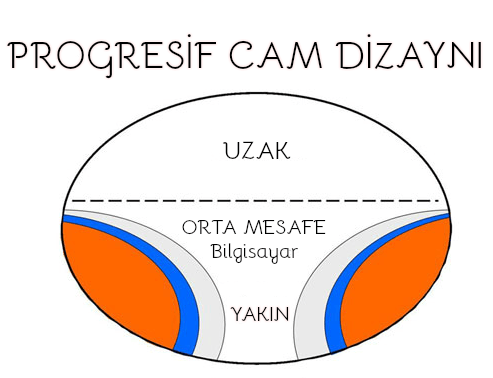 PROGRESIF (uzag orta yaxin) suseler
 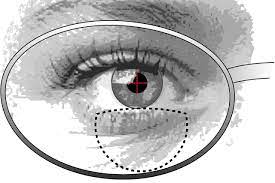 BIFOKAL süsələr (uzag yaxin)
  BRENDƏ GÖRƏ SEC (organik)